2 Tone Kitchen Cabinets: A Timeless Design Trend for Modern Kitchens
What Are 2 Tone Kitchen Cabinets?
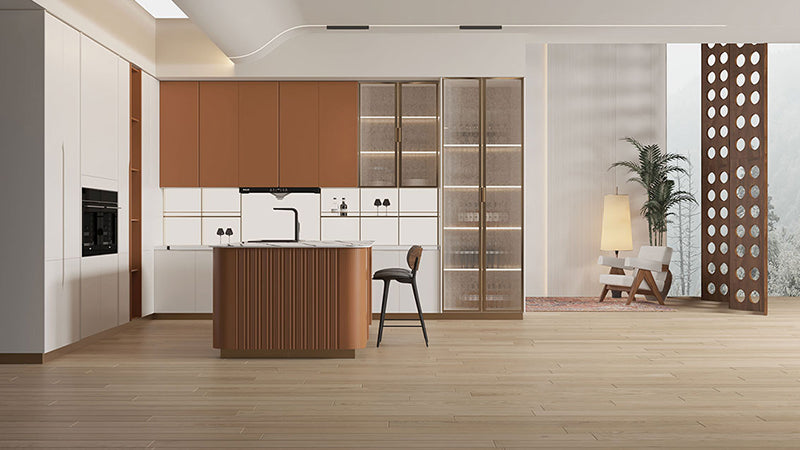
2 tone kitchen cabinets—also known as two tone or two color kitchen cabinets—use two different colors or finishes within the same kitchen cabinetry design. This approach creates visual contrast, depth, and a more dynamic overall appearance.
Instead of a single uniform cabinet color, two-tone designs typically differentiate upper and lower cabinets, islands and perimeter cabinets, or specific functional zones within the kitchen.

Why 2 Tone Kitchen Cabinets Are So Popular
The popularity of two tone kitchen cabinets has grown rapidly as homeowners seek kitchens that feel personalized rather than purely standardized.
- Adds visual interest without overwhelming the space
- Creates a sense of balance and proportion
- Allows mixing classic and modern elements
This design strategy works equally well in contemporary apartments, family homes, and high-end residential projects.
Common 2 Tone Kitchen Cabinet Combinations
Successful two color kitchen cabinets rely on thoughtful color pairing. The goal is contrast with harmony rather than visual conflict.
Light Upper Cabinets + Dark Lower Cabinets
One of the most popular two-tone layouts uses light colors on upper cabinets and darker shades on lower cabinets. This combination keeps the kitchen feeling open while grounding the space visually.
It is especially effective in kitchens with limited natural light.
Neutral Cabinets + Statement Island
Another common approach highlights the kitchen island with a contrasting color. Neutral perimeter cabinets paired with a bold island color create a focal point without overwhelming the room.
Wood and Painted Cabinet Combinations
Mixing wood finishes with painted cabinets adds warmth and texture. Natural wood tones paired with matte finishes are frequently seen in modern two tone kitchen design.
Design Benefits Beyond Appearance
Two-tone cabinetry is not just about aesthetics. Strategic color separation can visually define zones within the kitchen.
- Cooking areas can feel more grounded
- Islands can function as social or prep hubs
- Storage-heavy zones can blend more subtly
This zoning effect improves both usability and visual clarity.
Choosing the Right Colors for 2 Tone Cabinets
When planning 2 tone kitchen cabinets, color selection should consider lighting, room size, and overall interior style.
Consider Lighting Conditions
Natural and artificial lighting influence how colors appear. Dark tones may feel heavy in poorly lit kitchens, while lighter tones help reflect light.
Maintain a Cohesive Palette
Even with contrast, colors should share undertones or complementary qualities. This ensures the kitchen feels intentional rather than fragmented.

2 Tone Kitchen Cabinets in Small vs Large Kitchens
Two-tone designs adapt well to different kitchen sizes when applied thoughtfully.
Small Kitchens
Using lighter colors on upper cabinets and darker tones below helps maintain openness while adding character.
Large Kitchens
Larger kitchens can support bolder contrasts, including dark islands or deep-toned cabinetry paired with lighter surroundings.
Modern Applications and Long-Term Appeal
Unlike short-lived trends, two tone kitchen cabinets offer long-term flexibility. Cabinet colors can be updated independently, allowing kitchens to evolve without complete renovation.
This adaptability makes two-tone cabinetry appealing to homeowners, designers, and developers alike.
Conclusion: Why 2 Tone Kitchen Cabinets Work
2 tone kitchen cabinets strike a balance between creativity and restraint. They introduce contrast while maintaining harmony, making kitchens feel layered and thoughtfully designed.
By selecting complementary colors and applying them strategically, two-tone cabinetry can elevate kitchens across a wide range of styles and layouts.